







We are delighted with our new tarmac driveway. The team was punctual, hardworking, and professional throughout the job. They explained everything clearly, completed the work on schedule, and left the area clean and tidy. The finish is excellent, and the driveway looks fantastic. I would happily recommend them to anyone looking for quality tarmac work.
Driveway & Patio Advice
Practical guides from Driveways 4 You to help you compare driveway surfaces, understand installation and costs, and care for your driveway or patio.
Tarmac driveway installation in Dublin typically costs €50–€95 per square metre in 2026 with Driveways 4 You, including excavation and standard sub-base preparation. This guide explains example budgets, what affects your quotation and the details to check before choosing an installer.
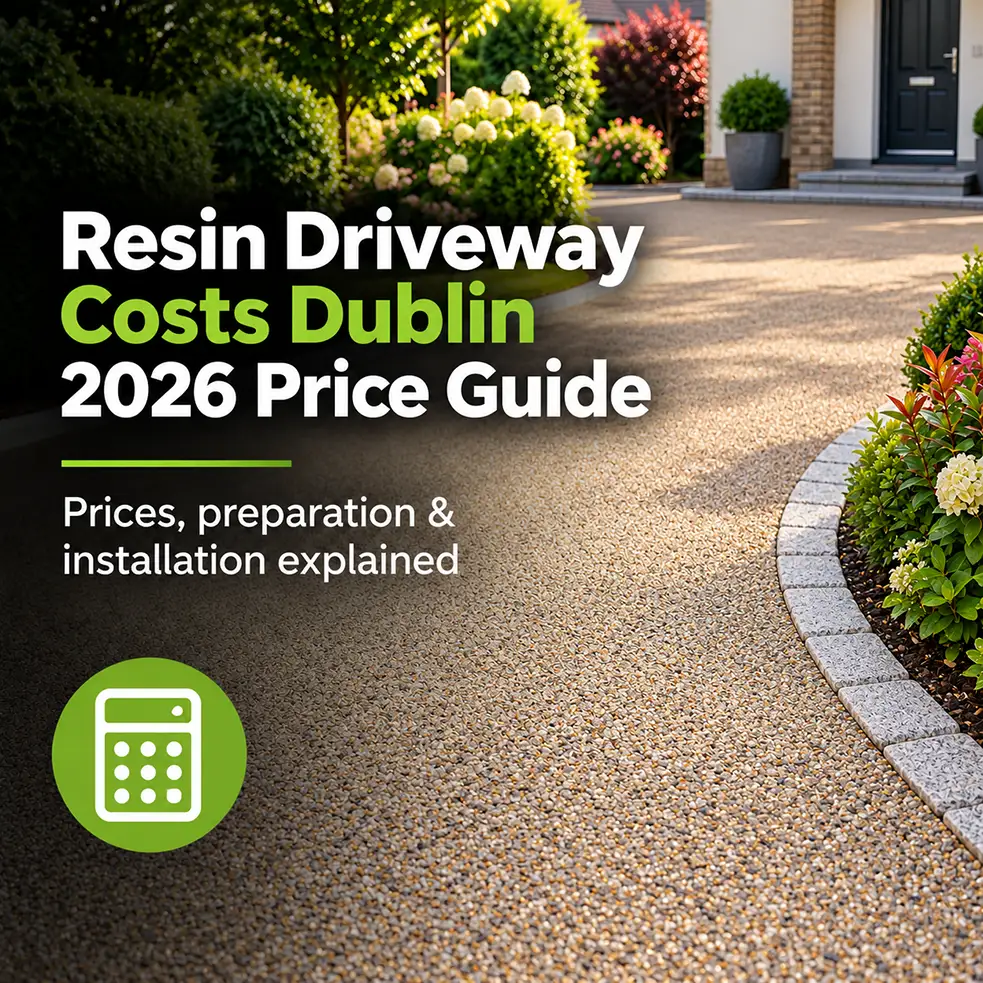
Resin driveway installation in Dublin typically costs €150–€200 per square metre in 2026 with Driveways 4 You, including excavation and standard sub-base preparation. This guide explains example budgets, what influences the price and the questions to ask when comparing resin driveway quotations.
Porcelain patio installation in Dublin typically costs €100–€200 per square metre in 2026 with Driveways 4 You, including excavation, removal of excavated materials and standard sub-base construction. This guide explains example budgets, tile choices, preparation and the finishing details that affect your quotation.
A new gravel driveway from Driveways 4 You typically costs between €40 and €70 per square metre in Dublin in 2026. Our guide price includes site preparation, standard sub-base construction, the selected gravel surface and installation labour. This guide explains example budgets, stone choices, edging options and the factors that affect your quotation.
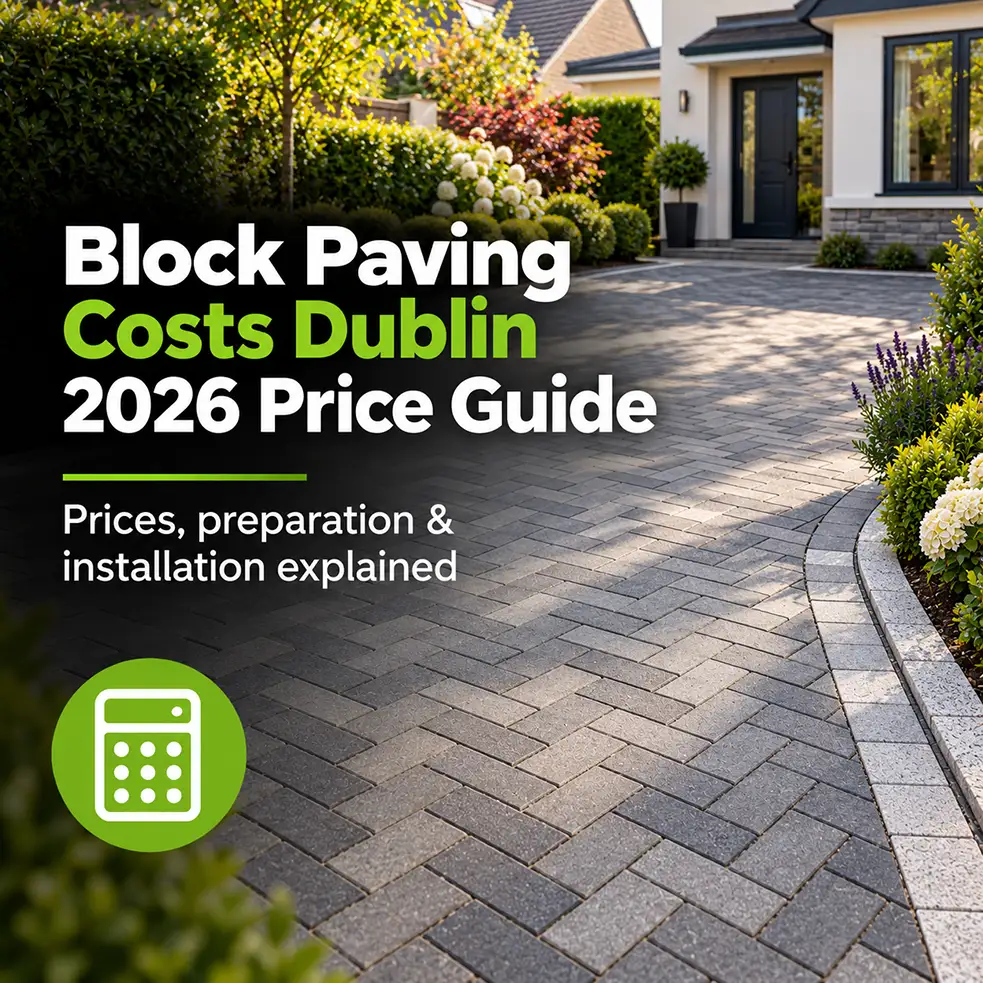
Block paving driveway installations from Driveways 4 You typically cost between €65 and €120 per square metre in Dublin in 2026. This guide price includes excavation, removal of excavated materials, standard sub-base construction, paving blocks and installation labour. Below, we explain example budgets, paving choices and the factors that affect your quotation.
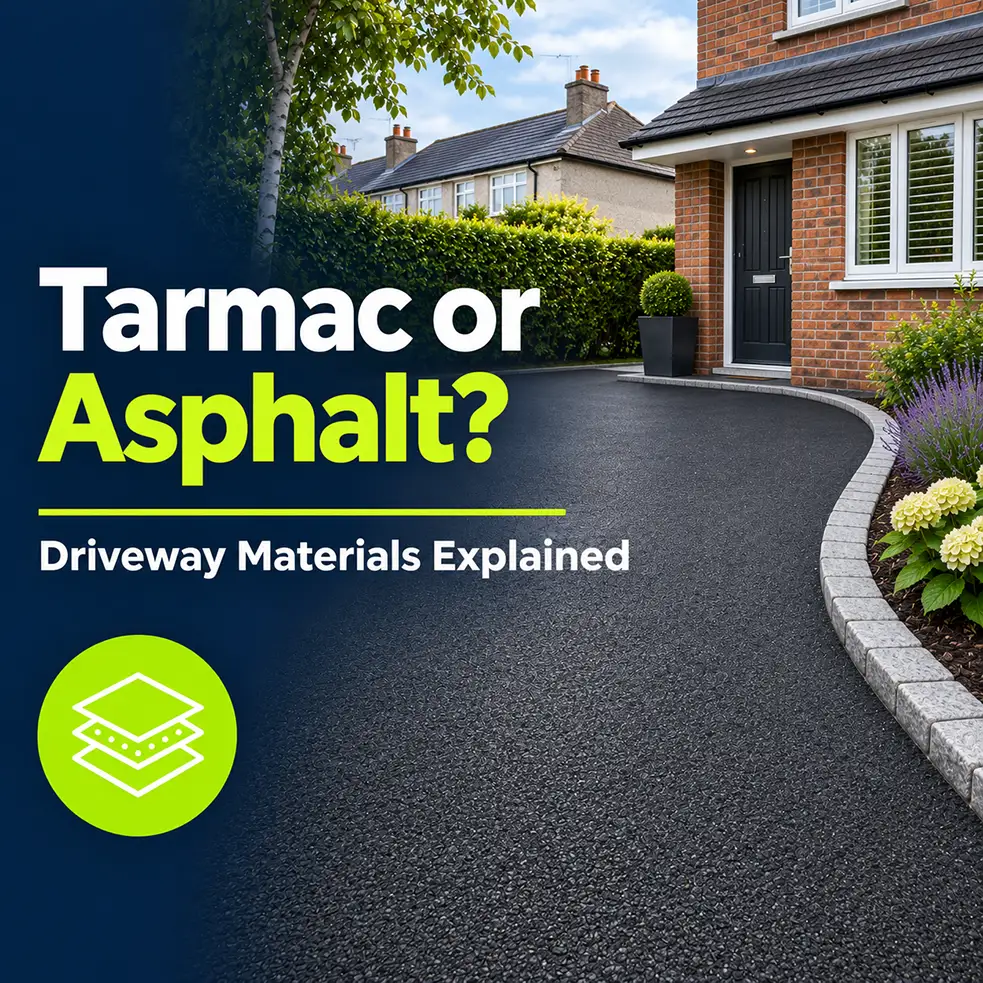
If one driveway quote says tarmac and another says asphalt, are you being offered the same finish? This guide explains what the terms mean, where SMA fits in, and which details to compare before choosing an installer.
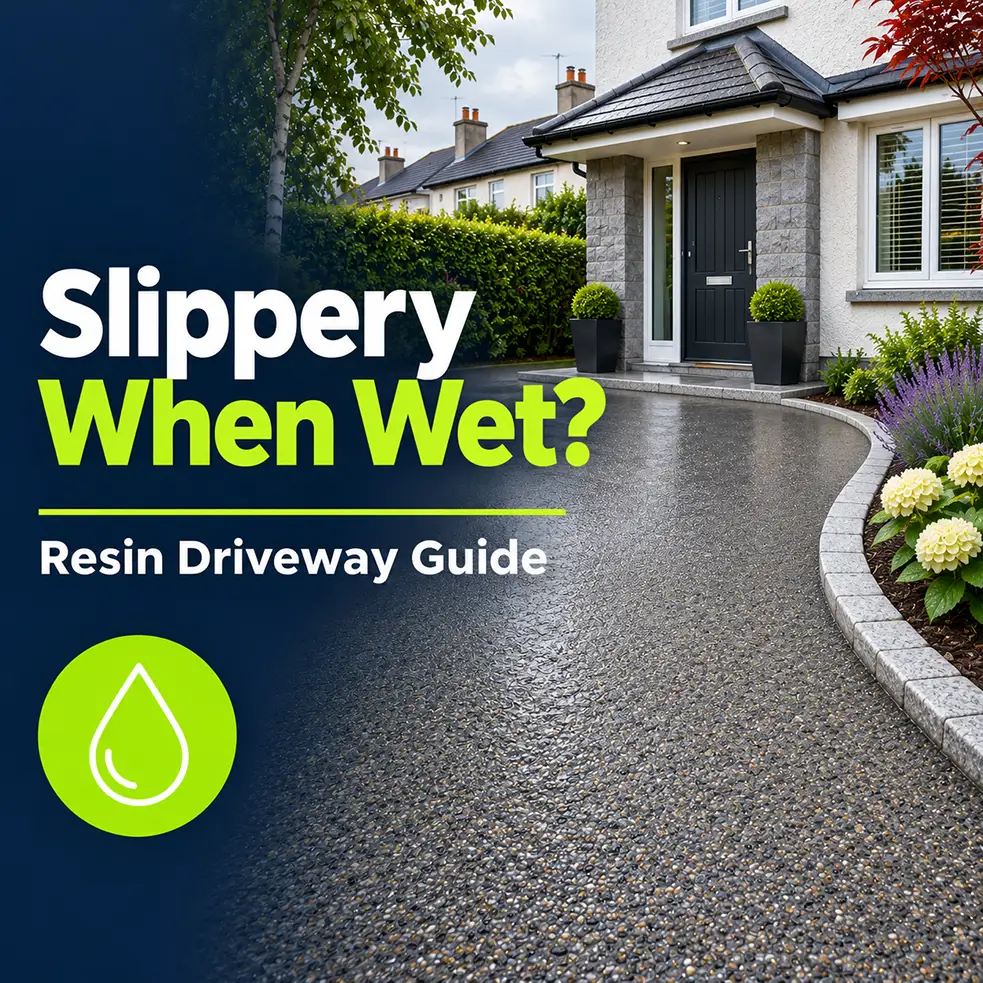
A resin-bound driveway can feel different underfoot in wet weather. The texture of the finish, the slope of the entrance and what collects on the surface all matter. If you’re choosing a driveway for a Dublin home, start by looking at the route you actually walk from the pavement or the car to your front door.
A new tarmac driveway needs some care when it first comes into use. Knowing when to return your car, how to manoeuvre and what to do about spills helps you look after the finished surface from the beginning.
Can an old tarmac driveway take a new surface, or does it need to be dug out and replaced? The answer depends on what has failed, how well the driveway drains and whether a new layer will fit the levels at your house, garage and pavement.
Porcelain and natural stone can both create an attractive, practical patio. The right choice depends on the appearance you prefer, the particular paving product and how you want to use your garden. This guide compares design, maintenance, installation and costs to help you choose a patio for your home.
Regular sweeping, suitable washing and occasional joint checks help keep a porcelain patio looking its best. Porcelain is a low-maintenance paving choice, but it still needs care. This guide explains routine cleaning, spills, algae, pressure washing and the signs that deserve attention.
A resin-bound driveway can provide many years of service, but its lifespan depends on the complete installation. The supporting foundation, resin system, drainage, workmanship, vehicle use and maintenance all matter. This guide explains what affects longevity and how to distinguish an expected lifespan from a warranty.
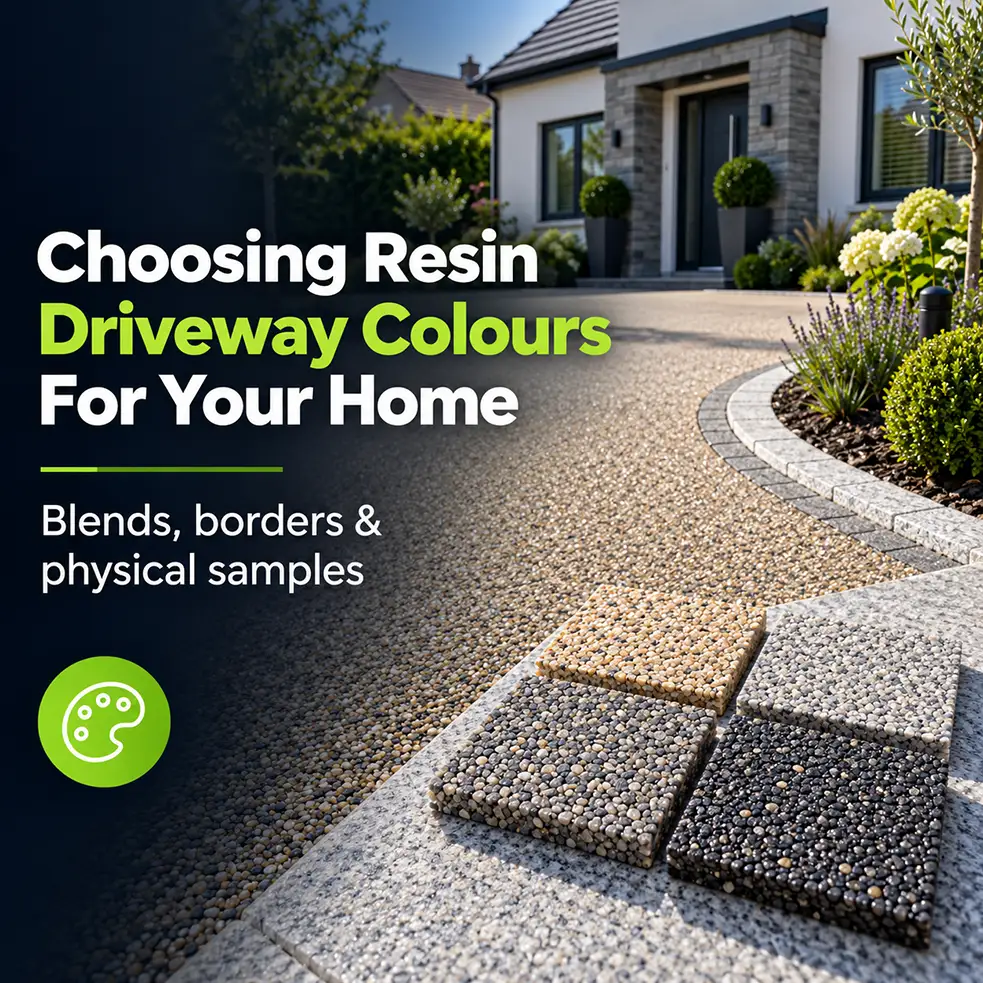
The best resin driveway colour is one that works with your home, borders and surrounding garden. With a wide choice of aggregate blends available, comparing physical samples alongside your property is a useful way to narrow the options. This guide explains what to consider before choosing your finish.
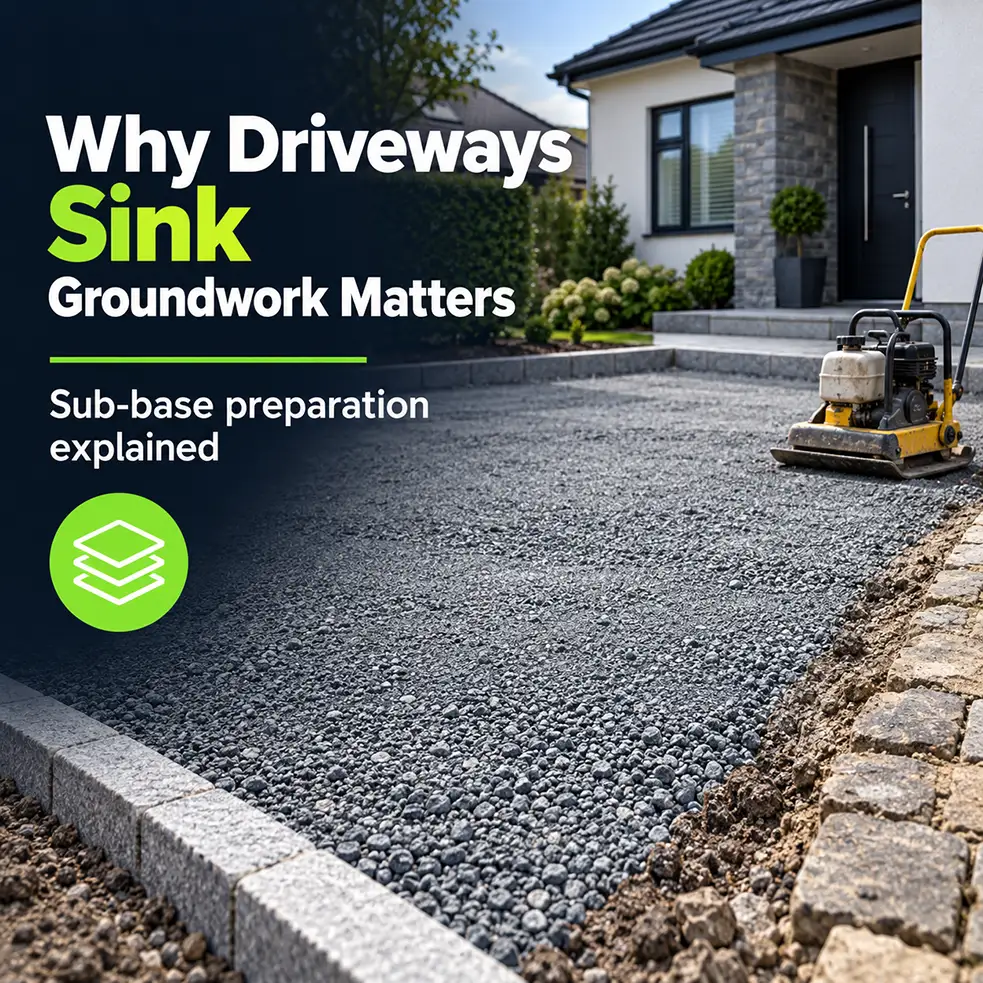
A driveway that sinks, spreads or becomes uneven needs its underlying cause assessed before the surface is replaced. Sub-base preparation, ground conditions, drainage and edge support can all affect performance. This guide explains what homeowners should look for and how proper preparation forms part of a new driveway installation.
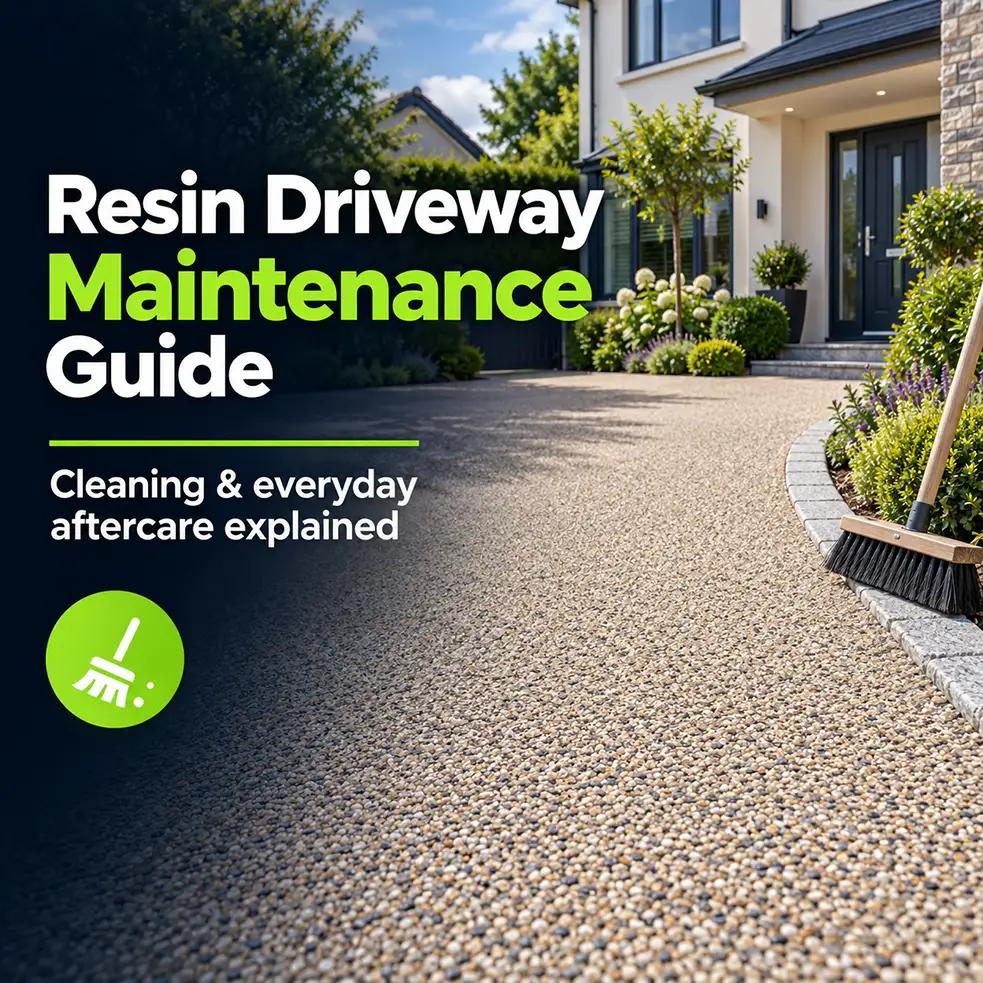
Regular sweeping, suitable cleaning and prompt attention to spills help keep a resin-bound driveway looking its best. This guide from Driveways 4 You explains routine care, pressure washing, seasonal checks and when to ask your installer for advice.
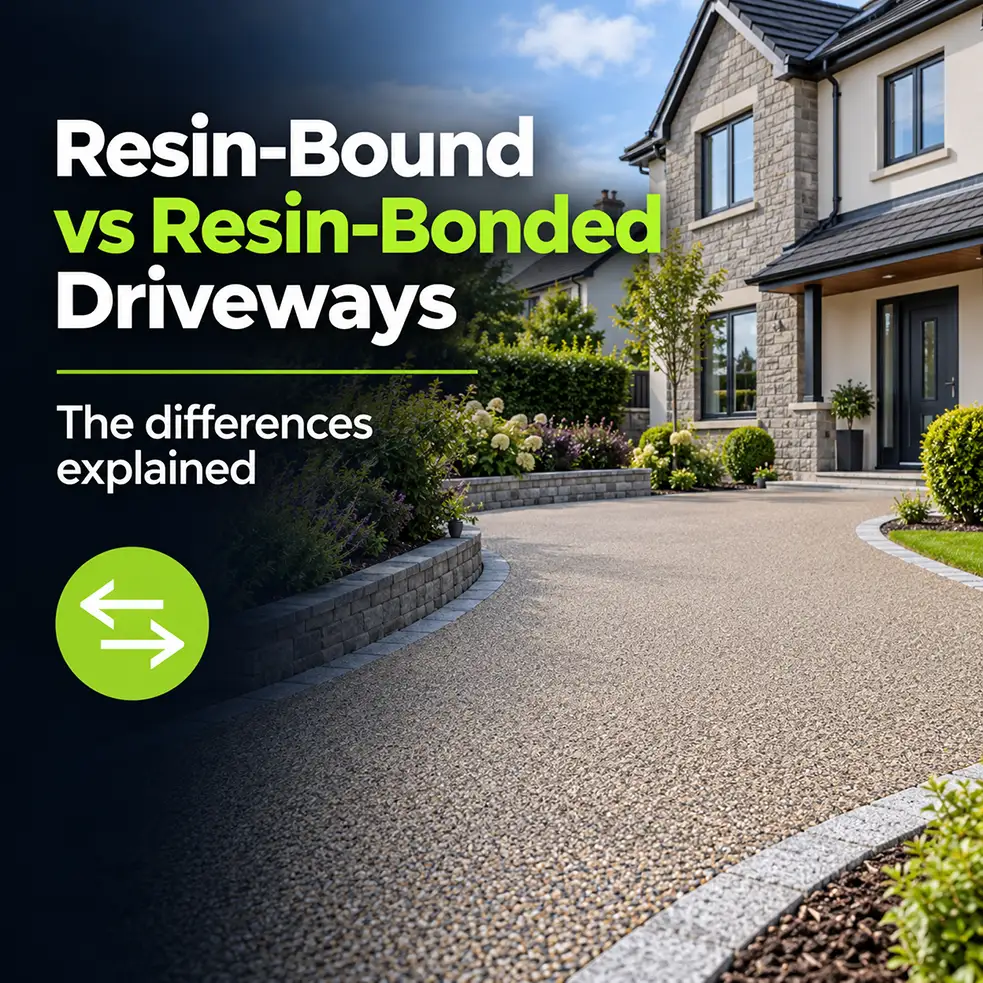
Resin-bound and resin-bonded driveways are different surfacing systems. Resin-bound combines stone and resin before laying, while resin-bonded involves scattering stone onto a coating of resin. This guide explains the differences in appearance, installation and drainage, and what to check when choosing a resin driveway for your home.
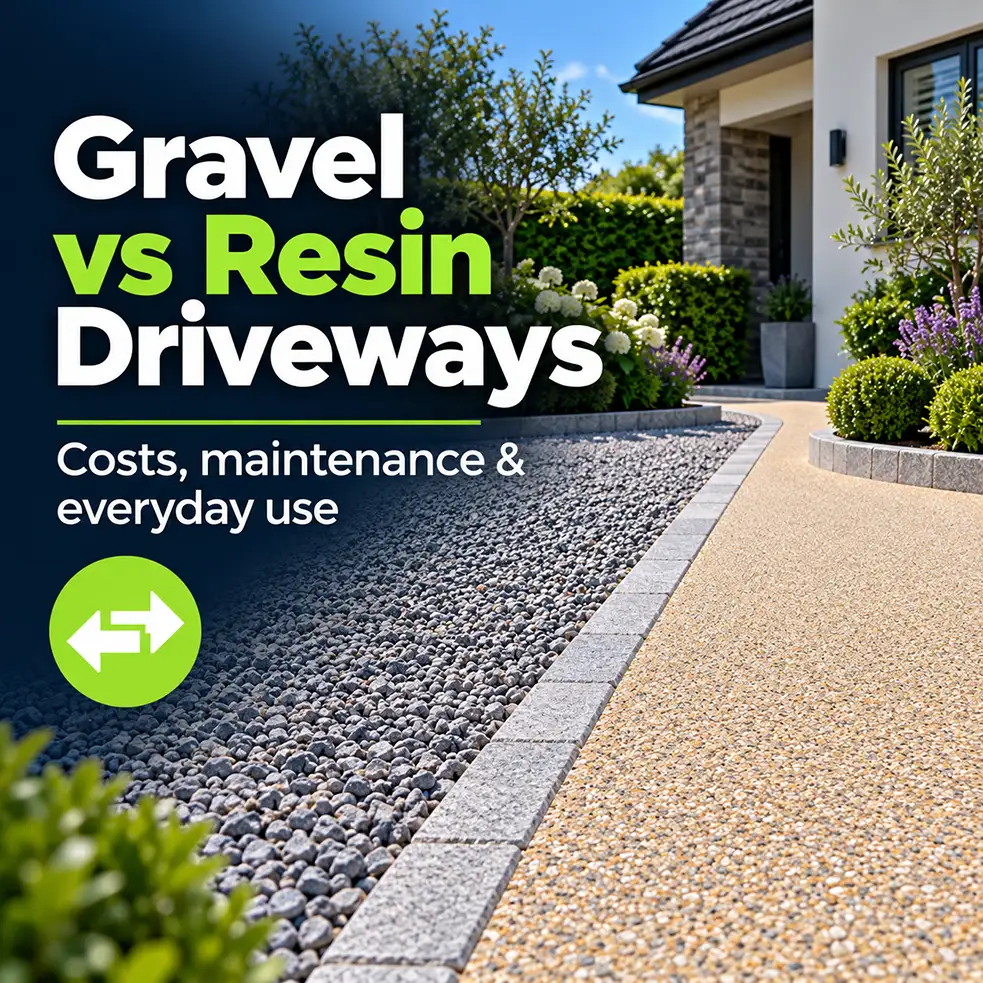
Gravel and resin-bound driveways both offer a natural aggregate appearance, but they behave differently in everyday use. Gravel is a loose stone surface, while resin-bound combines aggregate with resin to create a bound finish. This guide compares costs, maintenance, appearance and practical considerations to help you choose for your home.
Choosing a driveway contractor involves more than comparing prices and finished photographs. Asking about previous projects, preparation, the installation team and aftercare can help you understand who you are hiring and how your driveway will be constructed.
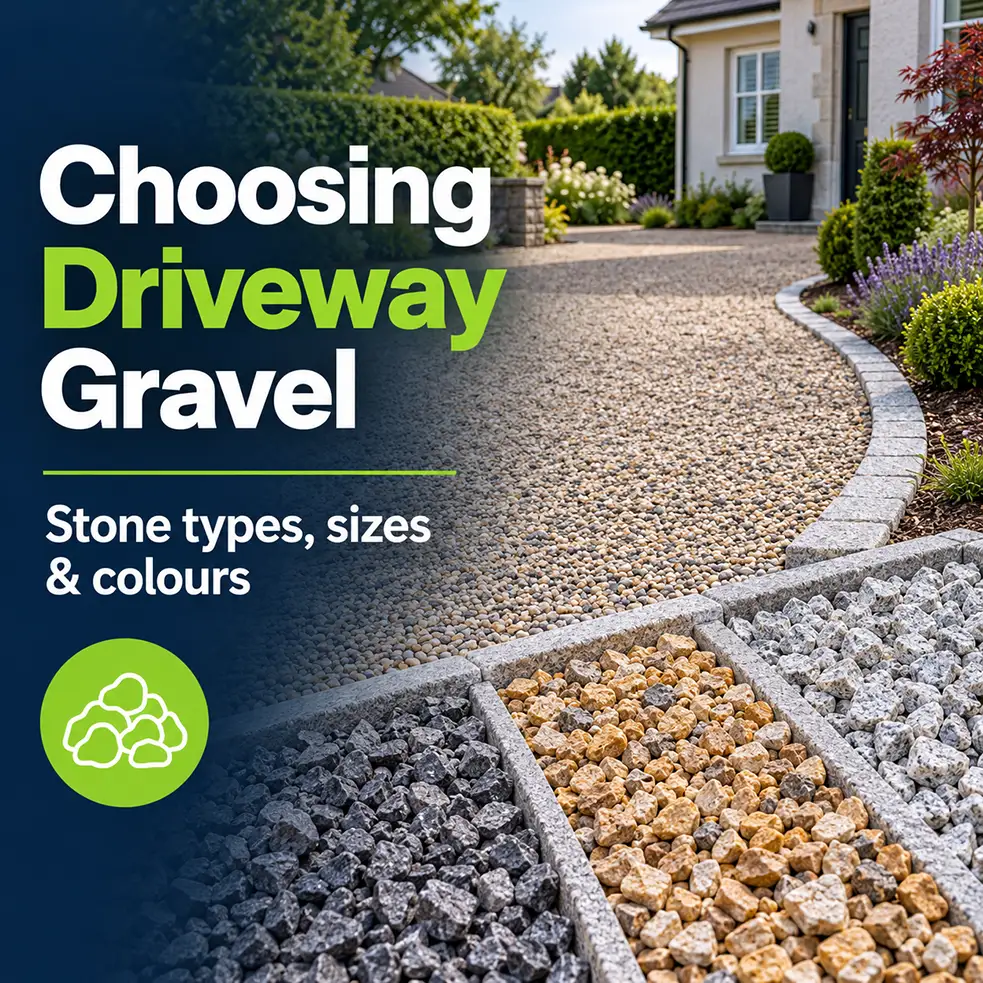
Choosing gravel for your driveway involves more than finding a colour you like. The stone’s size, shape and suitability for vehicle use matter too, along with the preparation, edging and layout beneath and around it.
A small patio can provide a comfortable space for outdoor dining, relaxing and enjoying your garden. The most useful starting point is deciding how you want to use it, then planning the seating, paving and pathways around the space available.
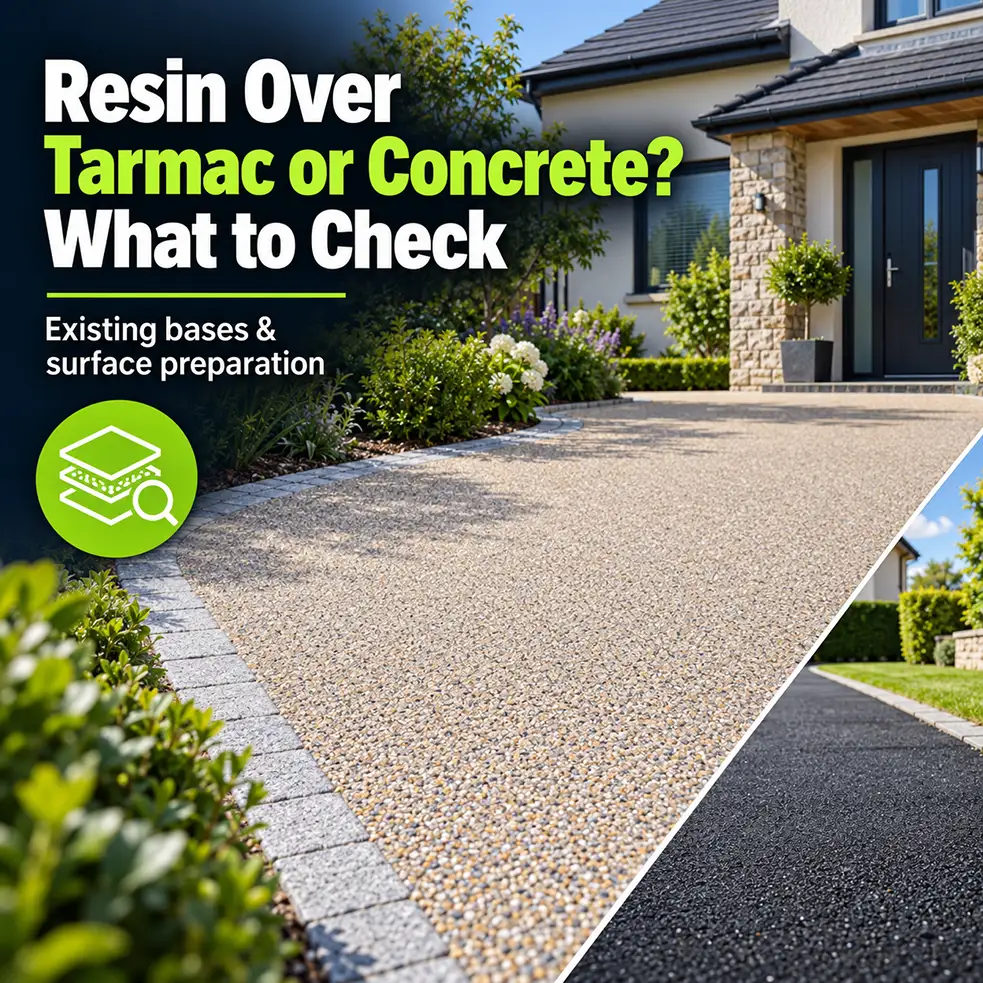
Resin-bound surfacing can sometimes be laid over an existing tarmac or concrete driveway, provided the base is suitable. Before recommending an overlay, the existing construction needs to be assessed for stability, damage, drainage and finished levels. A new resin surface cannot compensate for an unsuitable foundation.
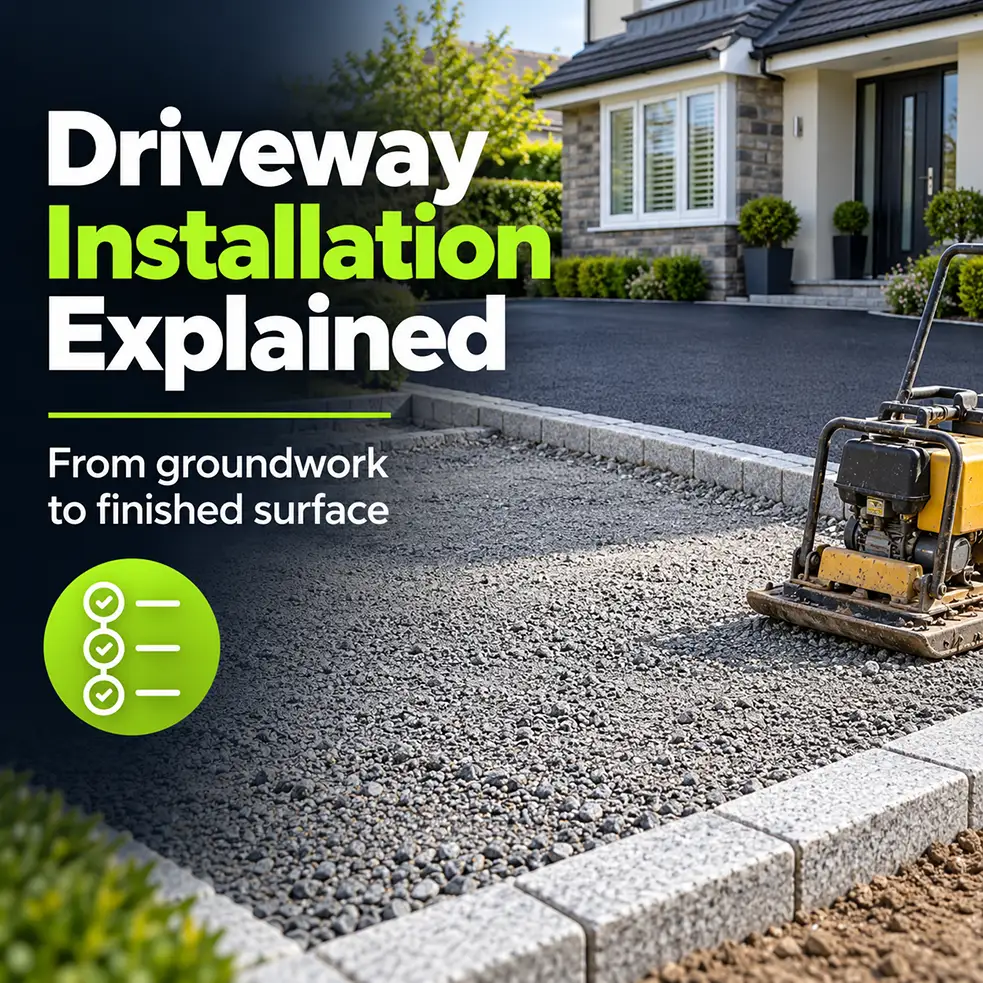
A new driveway installation involves much more than laying the finished surface. Assessment, removal, foundations, levels, drainage and finishing details all form part of the work. This guide explains the main stages and what to discuss with your installer before the project begins.
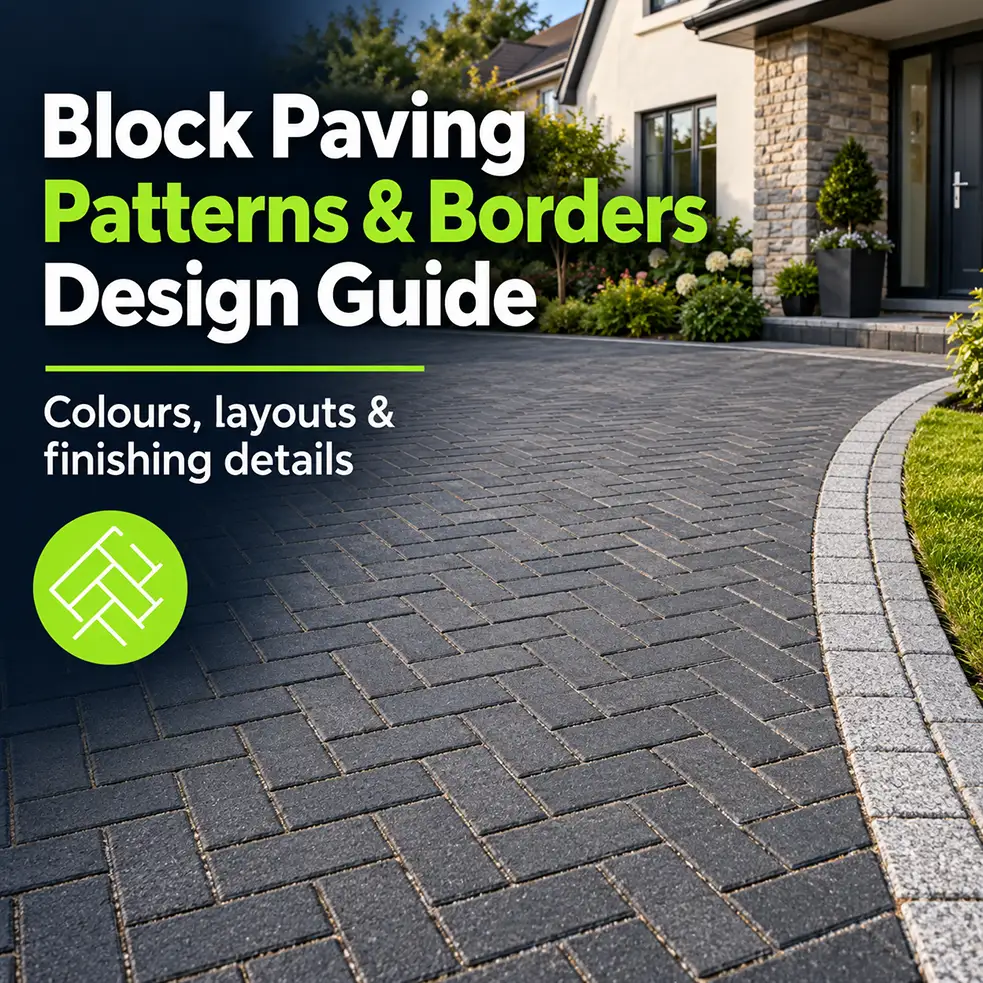
A block paving driveway’s appearance comes from the combination of paving, laying pattern and border design. The layout also needs to suit the selected product and how the driveway will be used. This guide explains the main choices and what to agree before installation.
Maintaining a gravel driveway involves removing debris, managing weeds and redistributing displaced stone. Occasional top-ups may also be needed, but persistent ruts or pooling should be assessed before more gravel is added. This guide explains practical care and what to check as your driveway is used.